Restoration-first commercial roofing across Western Pennsylvania  ·  Call 814-720-1081

Home / Budget Planning

Planning Ahead

Commercial Roof Capital Budget Planning

Roofs are the capital item most often budgeted from a guess and most often wrong by the largest margin. This is roof asset planning for facility managers: how to build a line you can defend, twelve to eighteen months before you need it.

Certified To Install

Conklin Roofing Systems independent distributor, 45 years
BASF, We create chemistry
We Sell Energy Star certified roofing products
If any of this sounds familiar

You have probably
been here before.

The leak keeps coming back.

It gets patched, it holds through one dry spell, and it is back the next time the wind drives rain the wrong way.

We find where the water actually gets in before anyone quotes you a system.

The replacement quote made you wince.

A full tear-off was quoted on a roof that may not need one, and nobody showed you the condition of the deck.

We say so when a roof does not need replacing, even though replacing it pays us more.

You were talked over, not talked to.

Mil thickness, ponding ratios, a system name you were told to trust. You are responsible for the building and cannot check a word of it.

Nothing happens on your roof without you knowing first. That is the rule here, not a slogan.

“The last roofer took the check and went quiet.”

That is the one that costs the most and it is the reason this company exists. The contractor who came in sixty thousand dollars cheaper than us on a roof nearby is no longer trading. We are the ones installing the replacement.

Ask us who services your roof in year three. It is the only question on this page we can answer with a name.

Why Roof Budgets Are Usually Wrong

Built From Age, Not Condition

The typical roof line in a capital plan is derived from when the roof went on and how long that type is supposed to last. It is the only information most owners have, and it is close to uncorrelated with what the roof actually needs.

A survey replaces a guess with a finding, and it usually moves the number down rather than up, because a surprising share of roofs on replacement plans are restoration candidates.

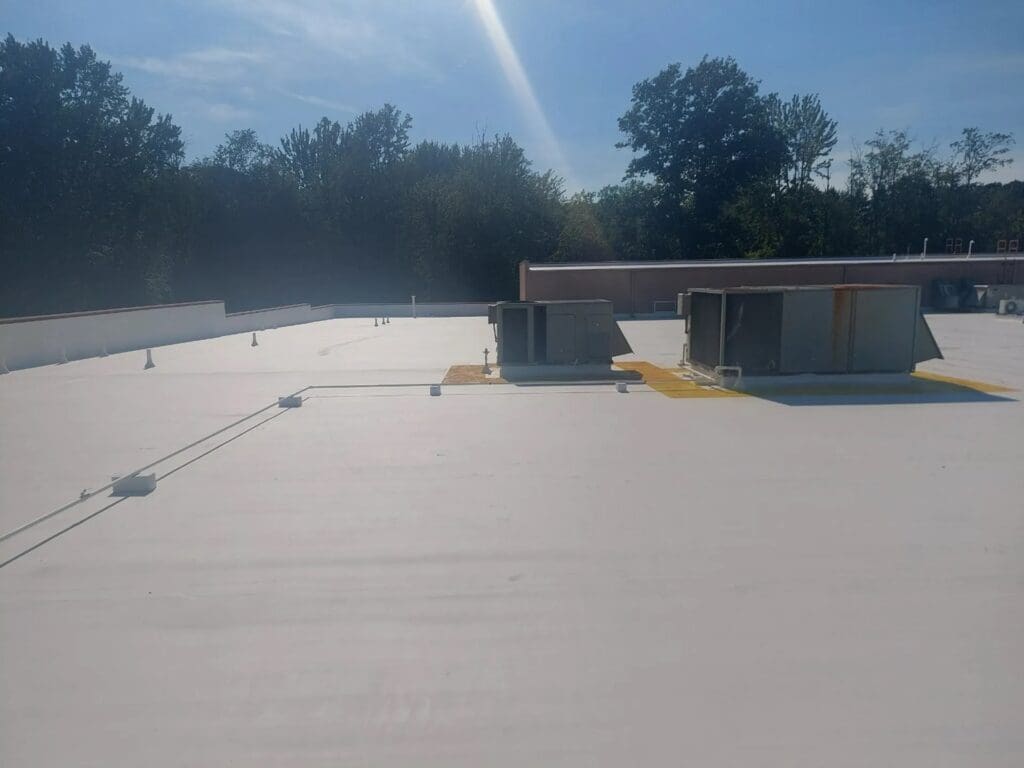
Finished white roof coating on a commercial flat roof restored by Better Built
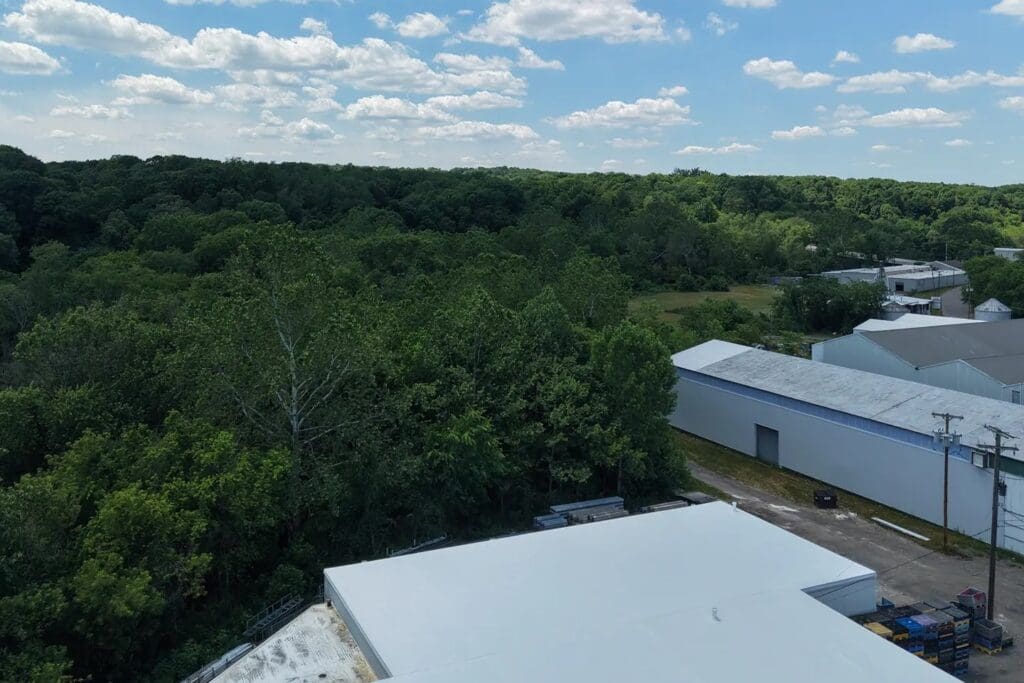
Aerial view of a warehouse roof against a tree line
What a Good Roof Line Looks Like

Two Numbers and a Reason

Per building: condition score, restore number, replace number, recommended action, and the reason. That is a line item that survives being questioned.

It is also the form that lets facility managers and finance make the trade-off deliberately rather than approving whichever roof leaked most recently.

Building the Number

Four Inputs a Defensible Roof Budget Needs

Condition, not age.

A budget built off installation dates will be wrong in both directions. Two roofs of the same age on the same site routinely need different decisions, and only a survey tells you which is which.

Both options priced.

Restore and replace for each roof. A budget carrying only replacement numbers overstates the requirement, sometimes by a lot, and it is the most common error we see.

The treatment, not just the cost.

Whether a line is expensed or capitalized changes what it does to the year. Worth establishing before the budget is written, not after.

A ranking, not a list.

Which roof first, and why, in terms a finance director can act on. Ranked by risk and by how fast the cheaper option is disappearing.

The Process

Four Steps, Twelve to Eighteen Months Out

01

Survey every roof

Walked, photographed, scanned where it matters. Condition and remaining life recorded per building.

02

Score consistently

So roofs can be compared on the same basis rather than by whoever complained most recently.

03

Price both options per roof

With the assumptions written next to each number, because assumptions are what get challenged in a budget meeting.

04

Phase it

A multi-year plan with what happens this year, next year and what is being watched. That is the asset management program for portfolios.

Straight Answers

Budget Planning Questions

Straight answers on cost, timeline, and what a restoration actually involves. No jargon, no sales pressure.

Still Deciding?
Talk it through with the owner, not a call center.

A free, photo-documented assessment and honest numbers on restore versus replace.

Twelve to eighteen months for a single significant roof, and a rolling multi-year plan for a portfolio. The reason is not procurement lead time, it is that the cheaper option on a deteriorating roof expires, and finding that out during the budget cycle is too late to act on it.
A range with an explicit assumption attached, and a note that it is unsurveyed. That is honest and it is defensible. A single confident number derived from nothing is neither, and it is how roof budgets end up doubling mid-year.

It is the common instinct and it distorts the plan, because it can price a restorable roof at two or three times what it will actually need and crowd out other work. Both numbers, then decide.

The assessment is free per building. For a portfolio we agree the scope with you up front rather than turning up and invoicing, and you keep the findings either way.

Yes. Ask and we will put the inputs and the assumptions in writing, in a form built for roof asset planning that you can take into a budget meeting. There is no gated download on this page yet, so it comes from a person.

The Next Step

Start With the Truth About Your Roof

Request your free, photo-documented roof assessment. Honest options, firm numbers, and a roofer who will still be here next year.

Free assessment · Photo-documented · No obligation, no pressure